
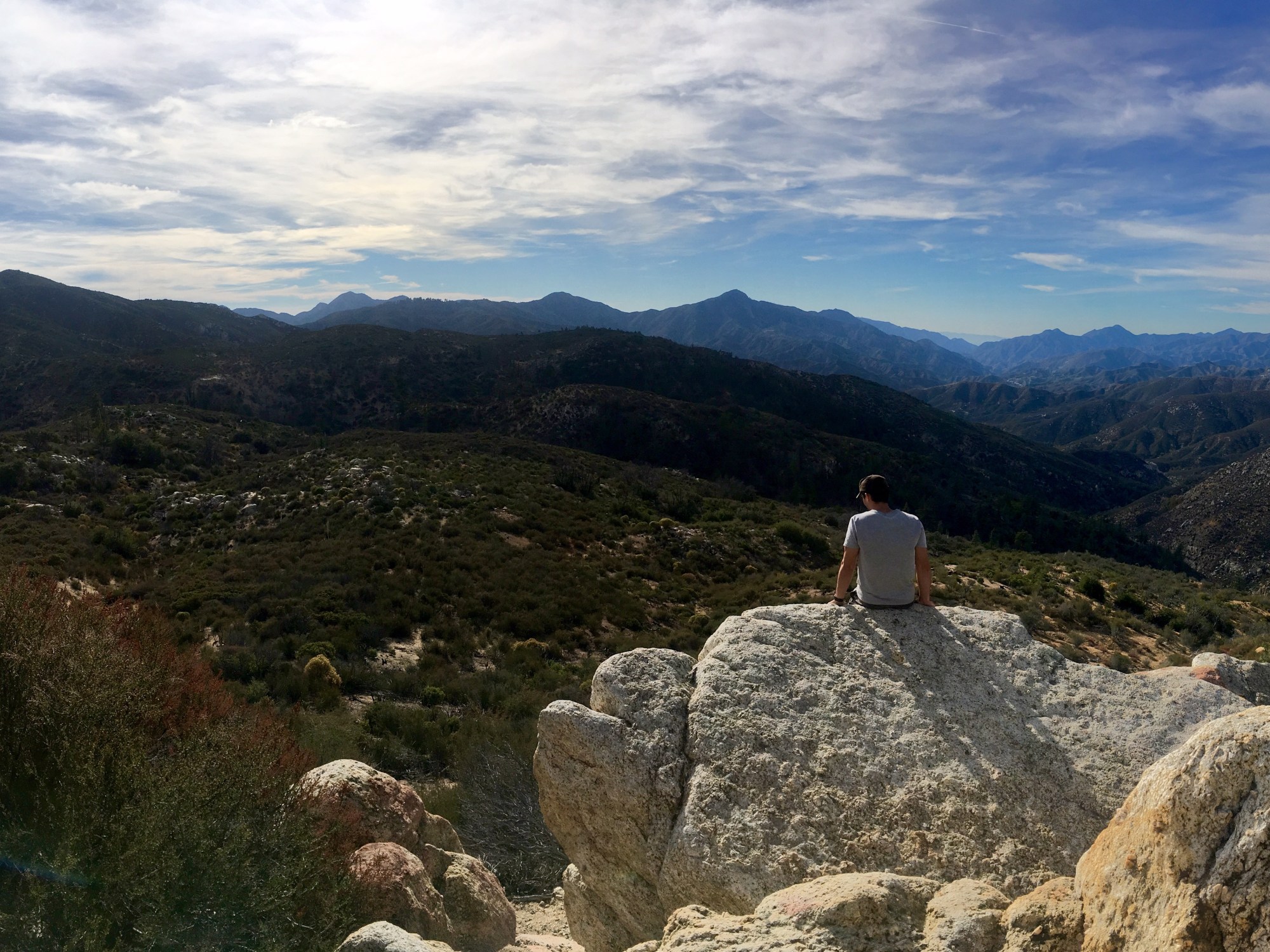
“…I have learned to be content with whatever I have. I know what it is to have little, and I know what it is to have plenty. In any and all circumstances I have learned the secret of being well-fed and of going hungry, of having plenty and of being in need…” (Philippians 4:11b-12)
————————————————-
In one of my philosophy classes in university our professor shared with us a story of a Buddhist monk. This monk was on his way to a conference, lecture, ceremony, or something of the sort where he was the key speaker. He pulled up to the location in a Ferrari. As he hands the keys to the valet; the man working is noticeably upset. The Monk proceeds to ask the valet what was wrong. This man begins to go off on how, as a monk, he should not own such a car. “He should be living according to his vow of poverty. He should, as a monk and an example, be adhering to the Buddhist practice of non-attachment. No monk should have such a lavish thing!” says the valet.
The monk lets the man finish and then responds, “The difference between you and me in this situation is that if you asked me if you could have my car, I would give it to you and walk away without regret.”
————————————————-
I don’t know if this story is true or if it’s a parable that is meant to teach us something. Nevertheless, this story has stuck with me over the years and it has been a foundational philosophy in my attempts to live a content life as the apostle Paul did.
To be content.
The dictionary defines contentment as “a state of peaceful happiness.”
But what does it look like? How do I make a distinction contentment and non-attachment? And when I find myself content, does that mean that I don’t long for anything? Does that mean that I don’t pursue more of the fullness of life, relationship or career? If I say I’m content but seek a promotion, does that mean I’m not content? When does contentment turn into unhealthy detachment?
These are the questions that have been whirling around my head for a while now.
That Buddhist monk, unlike most people, wasn’t attached to his belongings. Like he said, he could give his very expensive car away and have no regrets. His belongings didn’t define his worth, value, or his identity. This, I have come to believe is the key to being “content with whatever I have” as Paul says.
Being content doesn’t mean not pursuing that job or promotion. It means not letting whether or not you get that job define your worth.
Being content doesn’t mean not desiring things; it means not attaching your identity to whether or not you attain the things you desire.
The problem with this is that often being detached turns into indifference. Some people have said that being content is simply not caring what happens. It’s a laissez faire attitude. “Whatever happens is what happens, I’m good. No skin off my teeth” But that kind of attitude, an indifferent attitude, leads to a life of isolation. A life of less joy, love, and purpose because there is no value to…well… anything.
Being detached isn’t about valuing things less. It’s about placing more value on the things that are of actual value.
God. Relationship. Family. Oneself.
This only scratches the surface of my thoughts on this matter. Once the ball gets rolling in my mind about contentment I begin to wonder, what is the distinction between contentment and comfort? When does contentment turn into debilitating comfort? Can comfort keep me from growing? Does contentment combat comfort? If so, how?
[But that’s for another time.]
In light of all this, I’ve begun to question in my own life, what unhealthy attachments do I have? What objects, people, ideas, or luxury hold so much value in my life that if it was gone, my identity would follow suit? I’m almost embarrassed to say how many things in my life, if lost or if not gained, would cause me to spiral into a existential identity crisis.
I have come to realize that the only true attachment I should have in my life is the one that truly does define my identity : God. Utter devotion and attachment to Him is the only “unhealthy” attachment I want to allow in my life. And even in that, is it really unhealthy to be attached to the one who formed me not only as an idea but as a human, inside and out? Would He not know best who I am and best be able to form my identity for me?
To end this post, I want to challenge you today as I have challenged myself. What in your life holds too much of your identity that if lost, you would no longer feel safe, stable, or content?
 Under My Skin